Cash flows included in Best Estimate Liabilities
Marvelous work on the basics of Best Estimate Liabilities - you rock! Now let's take a closer look at the cash flows that make up the BEL.
Future-oriented
Best Estimate Liabilities are built from future cash flows arising from insurance contracts. To understand BEL properly, it is therefore essential to understand which cash flows are included and how they are identified. BEL are not based on past payments or accounting balances; they are entirely forward-looking.
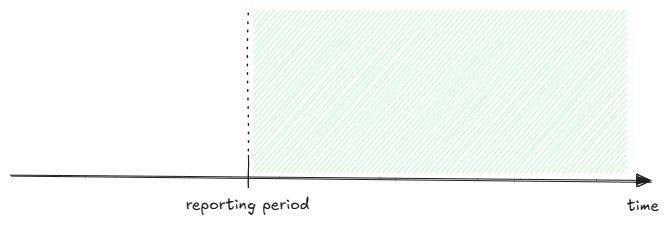
The timing of cash flows plays a crucial role in the valuation of BEL. Two identical payments can have very different values depending on when they occur. For this reason, cash flows are projected over time reflecting the expected pattern of payments and receipts. These projected cash flows are then discounted to today's value.
Inflows & outflows
From the insurer's perspective, future cash flows can be divided into inflows and outflows. Outflows represent amounts the insurer expects to pay. Inflows represent amounts the insurer expects to receive. Best Estimate Liabilities reflect the net effect of these expected inflows and outflows over time.
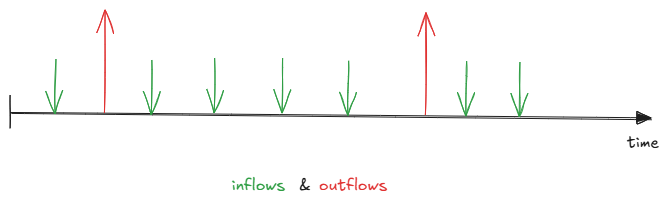
The main cash flows included in BEL are those directly linked to existing insurance contracts.
Outflows include:
- benefit payments
- administration costs
- expenses related to servicing policies
Inflows include:
- expected future premiums
- contract-related charges
It is also important to understand what is not included in Best Estimate Liabilities. BEL do not include cash flows related to future new business, dividends to shareholders, or capital injections. They also exclude payments that are not directly linked to insurance obligations. This clear focus ensures that BEL reflect only the expected cash flows arising from existing contractual commitments.
Policyholder behaviour
Future cash flows also depend strongly on policyholder behaviour. Policyholders may lapse their policies, surrender contracts, or stop paying premiums earlier than expected. These actions directly affect both the amount and timing of future inflows and outflows. Expected policyholder behaviour must therefore be reflected in cash flow projections used to calculate BEL.

In summary, Best Estimate Liabilities are constructed from expected future cash flows associated with existing insurance contracts. Both inflows and outflows are included, their timing matters, and policyholder behaviour plays a key role. This cash-flow-based perspective is fundamental to understanding how BEL are calculated and interpreted.
In the next lesson, we will examine the assumptions used to project the cash flows and how they influence the value of Best Estimate Liabilities. But before that, lets practice!