What are Best Estimate Liabilities?
Well done on completing the first chapter of the course, where we covered the basic elements of the Solvency II balance sheet. In the next three chapters, we will dive deeper into each component. This chapter is all about Best Estimate Liabilities. Let's do it!
Best Estimate Liabilities, usually referred to as BEL, are a central concept in the Solvency II framework. They represent the largest part of insurance liabilities and form the starting point for valuing obligations on the Solvency II balance sheet.
Present value of future obligations
At a high level, Best Estimate Liabilities represent the expected value of future insurance obligations. They answer a simple but important question: how much does the insurer expect to pay in the future, on average, for the contracts that are already in force? BEL are therefore forward-looking and focus entirely on future cash flows.
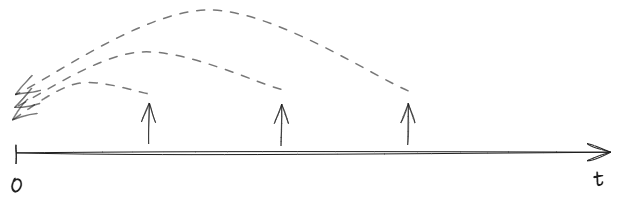
Best Estimate Liabilities can be described as the present value of expected future cash flows arising from insurance contracts. These cash flows include amounts paid to policyholders and beneficiaries, as well as amounts received by the insurer, such as premiums. Because these cash flows occur in the future, they are projected over time and discounted back to today.
Best estimate
The phrase best estimate is intentional and has a very specific meaning in Solvency II. It means that assumptions used in the calculation should reflect expected future experience, based on available data and realistic expectations. BEL do not include prudence margins or deliberate conservatism. At the same time, they are not optimistic estimates either. The goal is to reflect what is most likely to happen on average, not a favourable or unfavourable scenario.

It is important to distinguish BEL from traditional accounting reserves. Accounting reserves often include safety margins or are influenced by accounting conventions. Best Estimate Liabilities, in contrast, are explicitly designed to be neutral and market-consistent. Solvency II separates the expected value of liabilities, captured by BEL, from uncertainty and extreme risk, which are addressed elsewhere in the framework.
In summary, Best Estimate Liabilities represent the neutral, expected value of future obligations arising from existing insurance contracts. They form the foundation on which the rest of the Solvency II balance sheet is built.
In the next lesson, we will take a closer look at the cash flows included in BEL and how they are identified. But before that, let's practise!